


Bryant’s Roost Button Quail Store
Raise Healthy, Happy Button Quail with Confidence
Everything You Need to Successfully Raise Button Quail
Whether you're hatching your first button quail eggs or adding new birds to your aviary, raising these tiny birds is easier when you start with the right equipment and the right information.
At Bryant's Roost, I don't just sell button quail—I raise them every day. Every starter kit, feeder, waterer, and bag of feed is something I use on my own farm because button quail have unique needs that larger poultry equipment simply doesn't meet.
If you're just getting started, I'll help you choose the right products so you can spend less time guessing and more time enjoying these incredible little birds.
✔ Starter Kits
✔ Hatching Eggs
✔ Live Birds
✔ Feed
✔ Equipment Designed Specifically for Button Quail
Start shopping below or keep reading to learn everything you need to know before bringing home your first button quail.
Shop Starter Kits
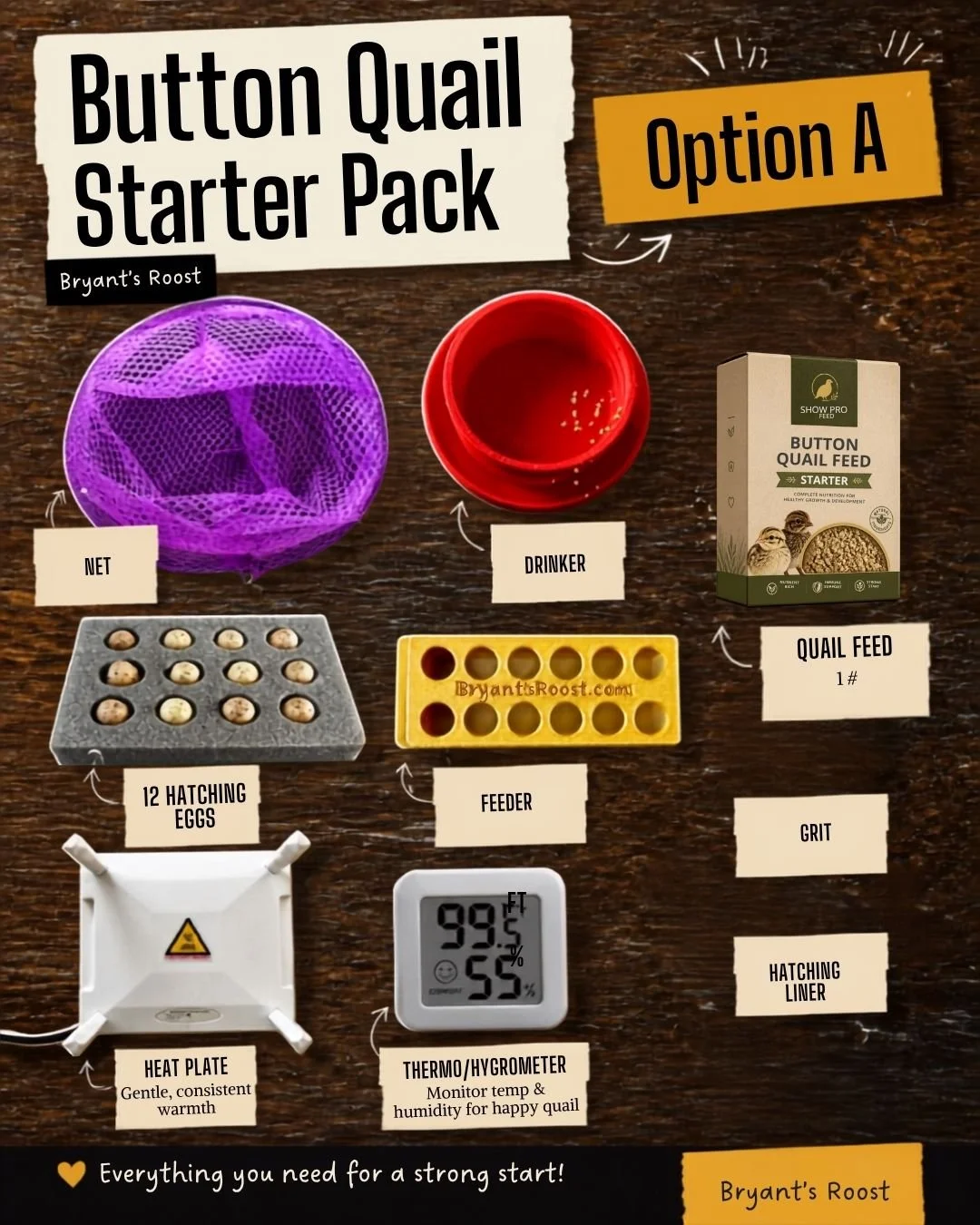
Everything You Need to Get Your First Button Quail Off to a Great Start
Quick Look
Perfect for first-time button quail owners
Equipment sized specifically for tiny button quail chicks
Includes starter feed, feeder, waterer, and brooder plate
Comes with 12 button quail hatching eggs
Designed using the same products I use at Bryant's Roost
Packaged in EggFoam® to help protect your hatching eggs during shipping.
Getting Started Doesn't Have to Be Overwhelming
Free Shipping
If you've decided to hatch button quail, you've probably already discovered that finding the right equipment isn't always easy. Most poultry supplies are designed for chickens or even Coturnix quail, leaving new button quail owners wondering what will actually work for birds this tiny.
I put this starter kit together to eliminate that guesswork.
Instead of spending hours trying to figure out which feeder is small enough, whether your chicks can safely use a waterer, or what feed they should start on, you can begin with equipment that's designed specifically for button quail.
What's Included
Button Quail Feeder
Our button quail feeder is the perfect size for newly hatched chicks and comfortably feeds up to 10 birds. The low-profile design allows tiny chicks to reach their feed easily while helping reduce waste.
Button Quail Waterer
Button quail chicks are incredibly small, which means standard poultry waterers can become a safety hazard.
This waterer base is designed with button quail in mind. It helps reduce the risk of drowning while still providing plenty of fresh water as your chicks grow. Simply attach it to any regular-mouth mason jar (jar not included).
Show Pro Button Quail Starter Feed
Button quail have incredibly fast metabolisms, so proper nutrition is critical from day one.
This is the same balanced starter feed I use for my own button quail at Bryant's Roost because I've been consistently pleased with chick growth, health, and overall performance.
Catch Net
Sooner or later, every button quail owner discovers just how fast these little birds can be.
And yes...at some point one will probably escape.
A lightweight catch net makes retrieving loose birds much easier and much less stressful for both you and your quail. Net colors vary and may include purple, blue, yellow, orange, or red.
Button Quail Hatching Eggs
Your kit includes 12 button quail hatching eggs from my breeding program, giving you everything you need to begin your own button quail adventure.
Brooder Plate
A brooder plate provides gentle, consistent warmth for newly hatched chicks and allows them to move in and out of the heat naturally as needed.
Why I Put This Kit Together
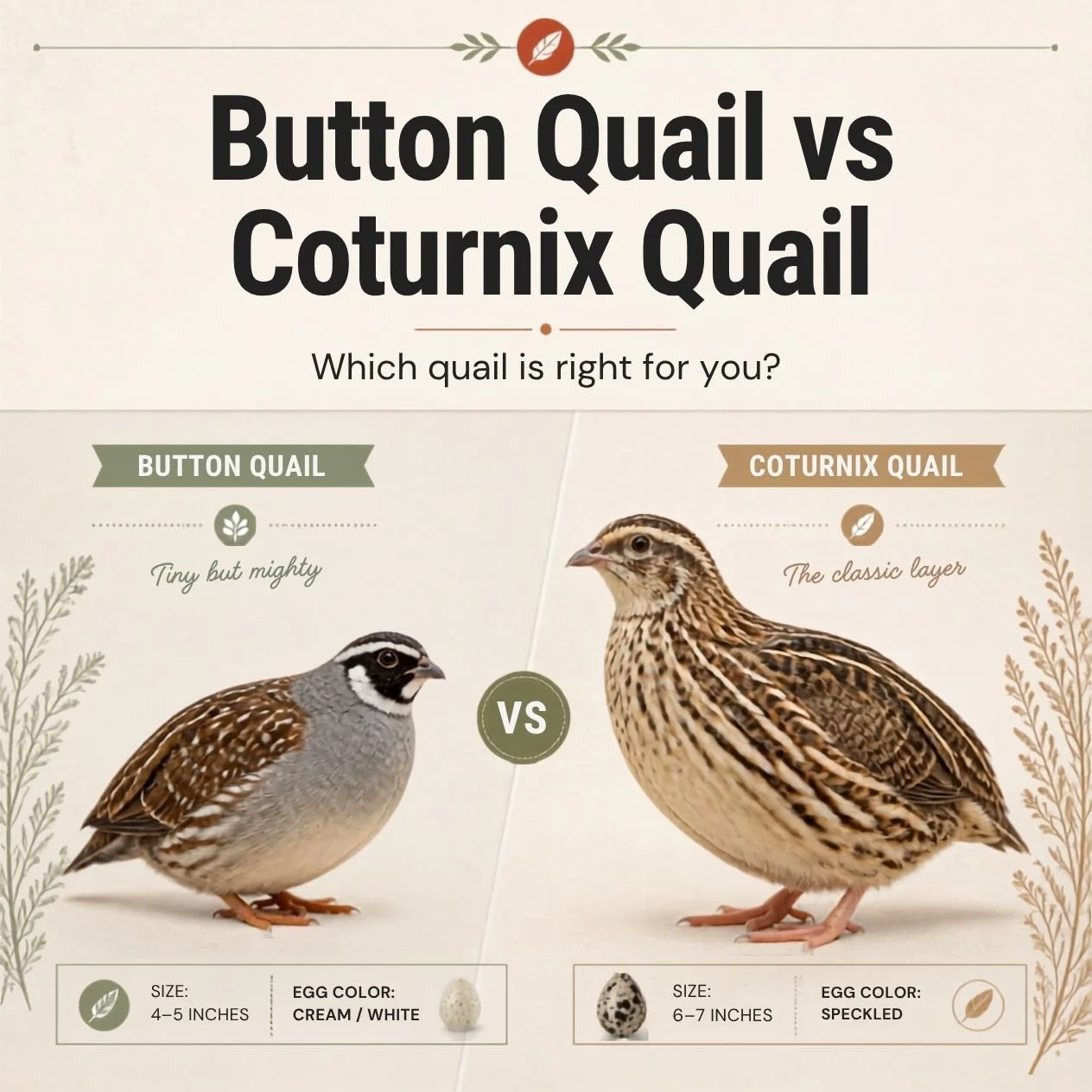
One thing I've learned over the years is that button quail aren't simply tiny Coturnix.
They're their own species with their own needs.
When I first started, I found myself modifying equipment that had been designed for larger birds. Eventually, I began using products that worked better for button quail, and that's exactly what you'll find in this starter kit.
My goal isn't just to sell supplies—it's to help you start with equipment that gives your chicks the best opportunity to thrive.
What's Included
✔ 1 Button Quail Feeder
✔ 1 Button Quail Waterer Base (regular-mouth mason jar not included)
✔ 1 Catch Net (random color)
✔ 1 Pound Show Pro Button Quail Starter Feed
✔ 12 Button Quail Hatching Eggs
✔ 1 Brooder Plate
PLUS FREE Shipping
Perfect For
First-time button quail owners
Families hatching button quail at home
Classroom incubation projects
Anyone who wants one convenient package instead of shopping for individual supplies
From Bryant's Roost
Every product in this kit has earned its place here by being useful on my own farm. These aren't random items bundled together—they're the same tools and feed I rely on when raising button quail. My hope is that they help make your first hatch a successful one and give you the confidence to enjoy these incredible little birds from day one.
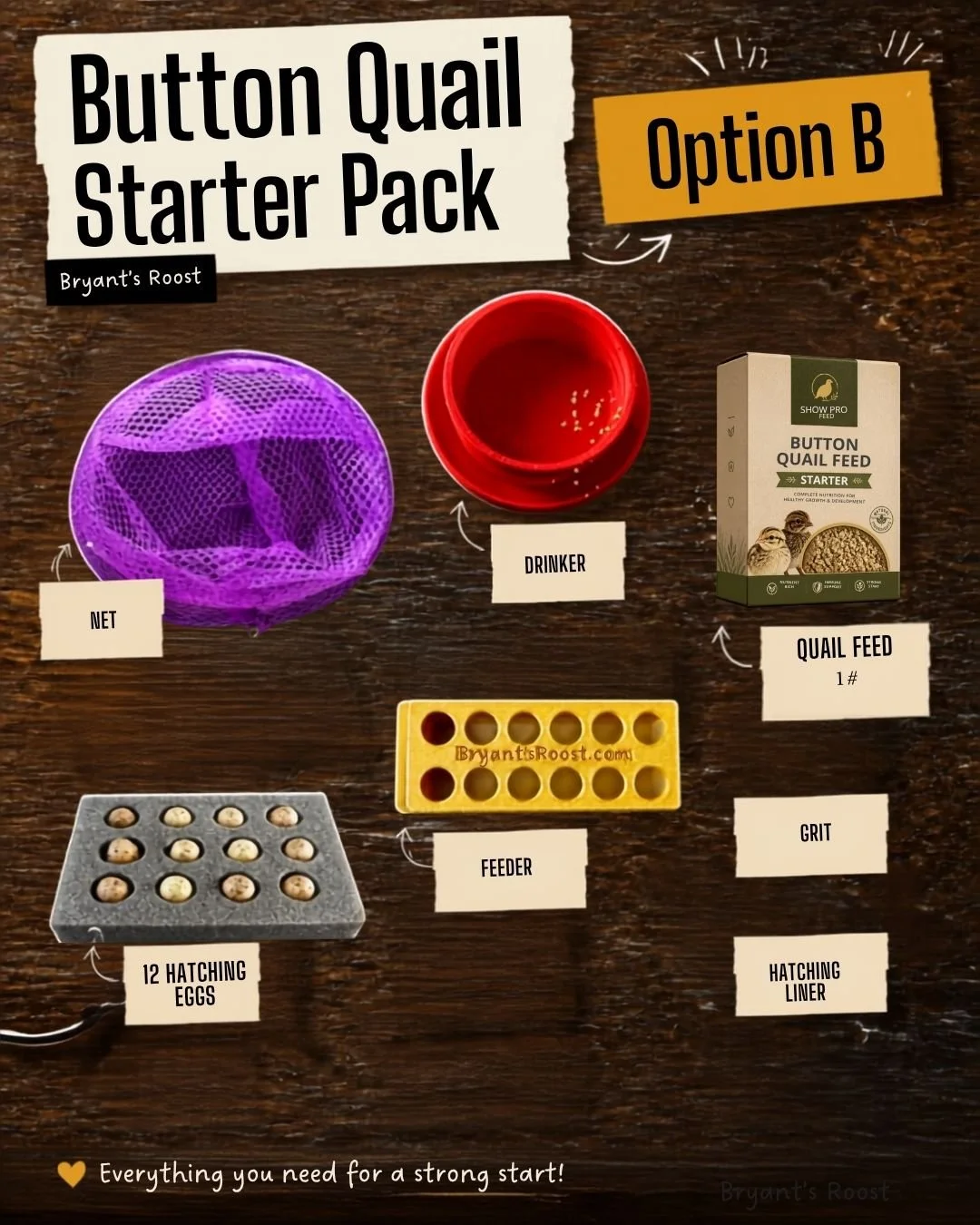
Complete Kit to Get Your First Button Quail Off to a Great Start
Quick Look
Complete starter kit for new button quail owners
Includes the essential supplies needed to hatch and raise your first chicks
Equipment designed specifically for tiny button quail chicks
Includes 12 fertile button quail hatching eggs
Features the same Show Pro starter feed and equipment I use at Bryant's Roost
Packaged in EggFoam® to help protect your hatching eggs during shipping.
FREE shipping included
Everything You Need to Get Started
Bringing home button quail is exciting, but figuring out what supplies you actually need can feel overwhelming. Most equipment sold for poultry is made for chickens or Coturnix quail, leaving button quail owners trying to adapt products that simply aren't built for birds this small.
That's exactly why I created the Complete Button Quail Starter Kit.
Instead of piecing everything together from multiple stores, this kit includes the essential equipment, feed, and fertile hatching eggs you'll need to begin your button quail journey with confidence. Every item was selected because it's something I use or recommend on my own farm.
What's Included
Button Quail Feeder
Our button quail feeder is designed specifically for newly hatched chicks. Its low-profile design allows tiny birds to reach their feed easily while helping reduce waste, making it an excellent choice for your first covey.
Button Quail Waterer
Button quail chicks are incredibly small, and many standard poultry waterers simply aren't safe for them.
This waterer base helps provide fresh water while reducing the risk of drowning. Just attach it to any regular-mouth mason jar (not included), and you're ready to go.
Show Pro Button Quail Starter Feed
Fast-growing button quail require excellent nutrition from the moment they hatch.
This is the same Show Pro starter feed I use at Bryant's Roost because I've been consistently impressed with chick growth, feather development, and overall health.
Catch Net
If you've ever owned button quail, you already know they're surprisingly quick.
If you haven't...you'll find out soon enough.
A lightweight catch net makes safely catching an adventurous bird much easier and helps reduce stress on both you and your quail. Net colors are selected at random.
12 Button Quail Hatching Eggs
Your kit includes 12 fertile button quail hatching eggs from my carefully selected breeding program, giving you everything you need to begin your first hatch.
Why I Recommend This Kit
Over the years I've learned that successful button quail keeping starts with using equipment designed for the species—not simply downsized chicken supplies.
I built this kit around products that have proven themselves on my own farm. Rather than spending time wondering which feeder to buy or whether a waterer is safe for newly hatched chicks, you can start with equipment that's already been tested by thousands of button quail raised here at Bryant's Roost.
My goal is simple: help you enjoy your first hatch instead of worrying whether you bought the right supplies.
Kit Includes
✔ 1 Button Quail Feeder
✔ 1 Button Quail Waterer Base (regular-mouth mason jar not included)
✔ 1 Catch Net (random color)
✔ 1 Pound Show Pro Button Quail Starter Feed
✔ 12 Button Quail Hatching Eggs
✔ FREE Shipping
Perfect For
First-time button quail owners
Families looking for an easy all-in-one starter package
Classroom and homeschool incubation projects
Anyone who wants the convenience of one complete kit instead of shopping for individual items
From Bryant's Roost
Every product in this kit has earned its place by being useful on my own farm. I don't bundle products simply to create a package—I include the equipment I trust when raising my own button quail. My hope is that this kit makes your first hatch enjoyable, successful, and the beginning of many years with these amazing little birds.
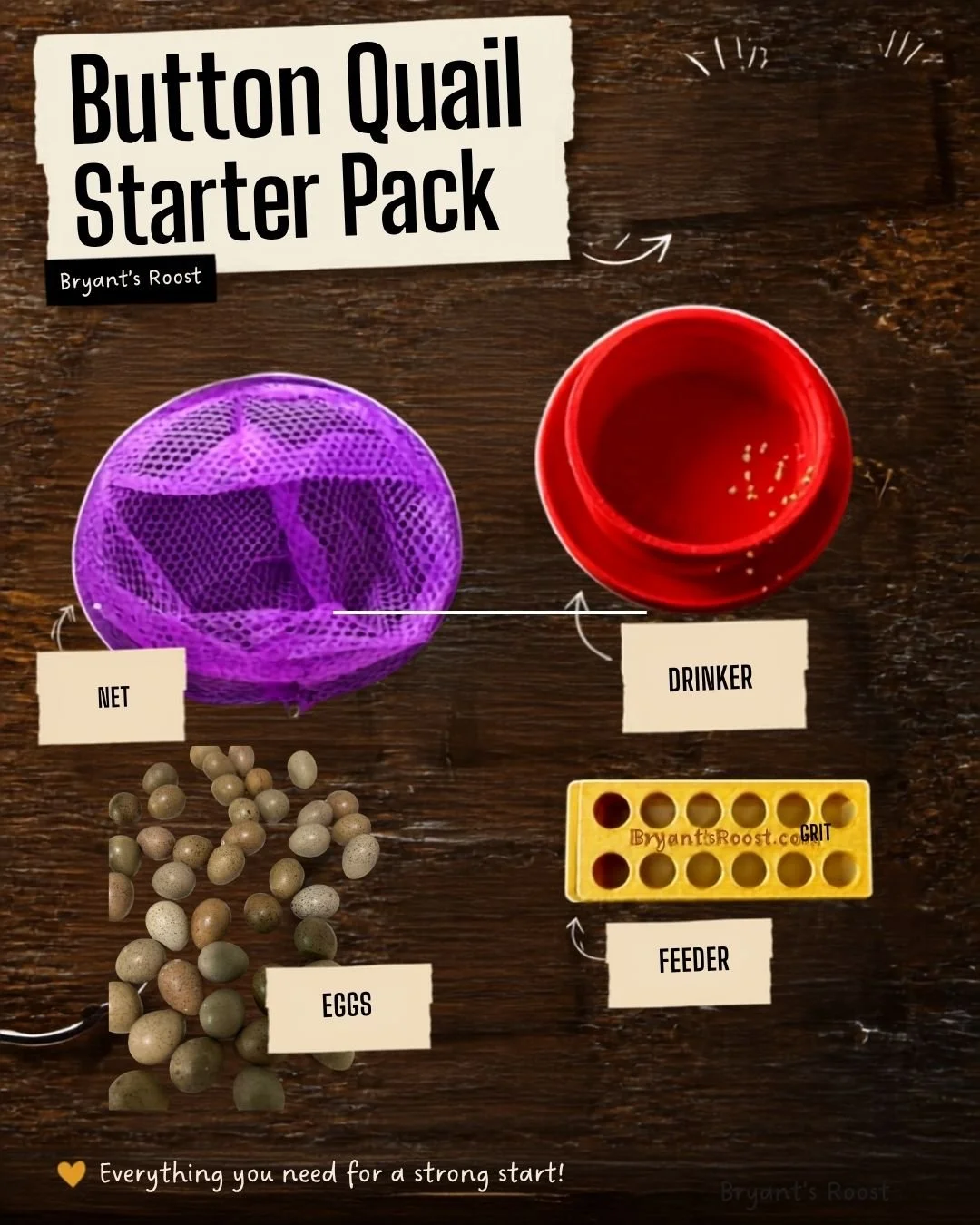
Quick Look
Perfect for first-time button quail owners
Includes 12 fertile button quail hatching eggs
Feeder and waterer designed specifically for button quail chicks
Includes a catch net for safely handling birds
A great starter package if you already have feed on hand
Packaged in EggFoam® to help protect your hatching eggs during shipping.
FREE shipping included
A Simple Way to Get Started with Button Quail
Getting started with button quail doesn't have to mean buying every supply individually.
The Button Quail Starter Pack includes the basic equipment you'll need along with 12 fertile hatching eggs from my breeding program, making it an excellent choice for anyone beginning their button quail adventure.
If you already have starter feed or prefer to choose your own, this package gives you the essentials without paying for products you may not need.
What's Included
Button Quail Feeder
Our button quail feeder is designed specifically for these tiny birds. The low-profile design allows newly hatched chicks to reach their feed easily while helping reduce waste.
Button Quail Waterer
Standard poultry waterers are often too large for button quail chicks.
This waterer base is designed to provide fresh water while helping reduce the risk of drowning. Simply attach it to any regular-mouth mason jar (not included), and you're ready to go.
Catch Net
Every button quail owner eventually discovers just how quick these little birds can be.
A lightweight catch net makes safely retrieving an escaped bird much easier while reducing stress on both you and your quail. Net colors vary and may include purple, blue, yellow, orange, or red.
12 Button Quail Hatching Eggs
Your Starter Pack includes 12 fertile button quail hatching eggs from my carefully selected breeding program. Every breeding pen is managed with health, vigor, and quality in mind so you can begin your own covey with confidence.
Why I Created This Starter Pack
When I first started raising button quail, I quickly realized that most poultry supplies simply weren't made for birds this small. I spent plenty of time trying to make larger equipment work before finding products that were actually designed for button quail.
This Starter Pack brings together the items I recommend most often for new keepers. Instead of wondering which supplies to buy, you can begin with equipment that's already proven itself on my own farm.
Starter Pack Includes
✔ 1 Button Quail Feeder
✔ 1 Button Quail Waterer Base (regular-mouth mason jar not included)
✔ 1 Catch Net (random color)
✔ 12 Button Quail Hatching Eggs
✔ FREE Shipping
Perfect For
First-time button quail owners
Families hatching button quail at home
Homeschool and classroom incubation projects
Anyone who already has starter feed and wants the essential equipment
From Bryant's Roost
Every product in this Starter Pack has earned its place on my farm through everyday use. I created this package to make getting started with button quail easier, so you can spend less time wondering what to buy and more time enjoying these fascinating little birds. My goal is to give you the tools—and the birds—to start your button quail journey with confidence.
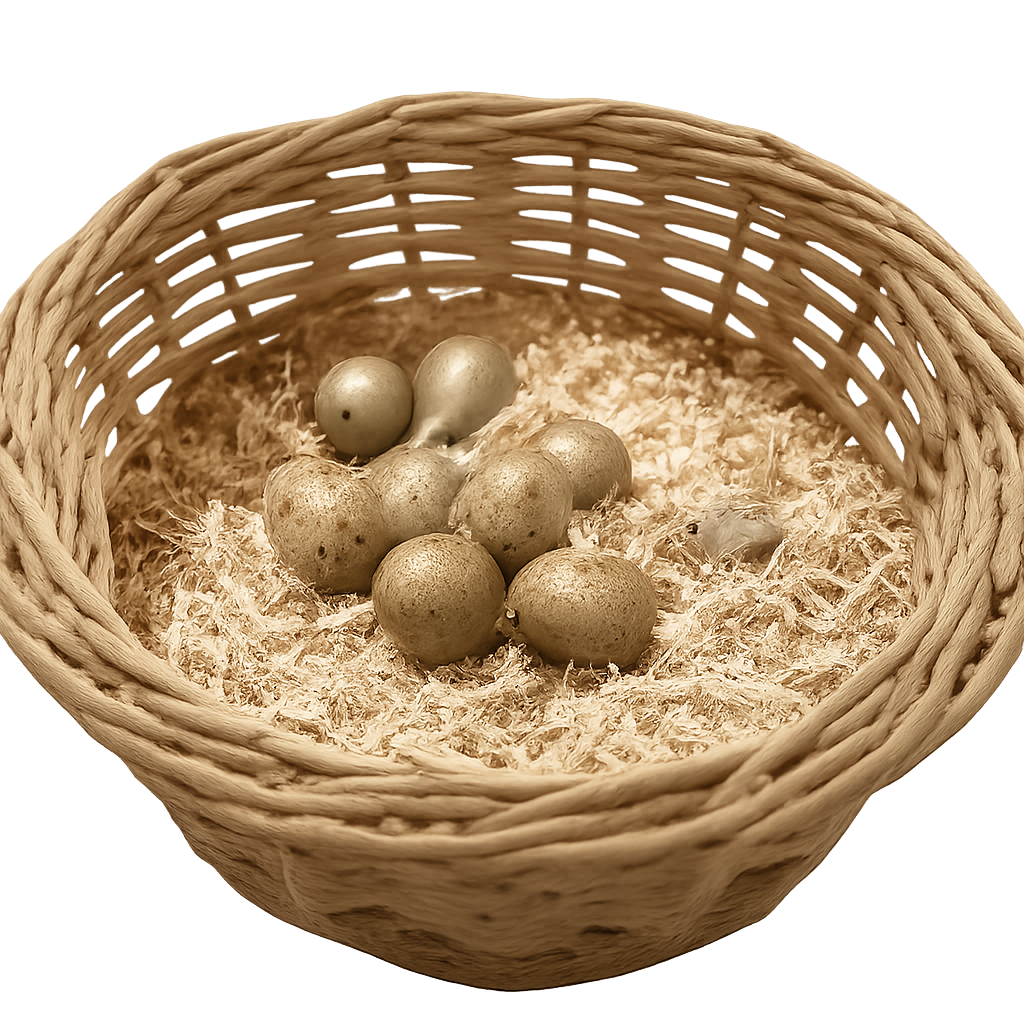
Quick Look
12 fertile button quail hatching eggs
From my carefully selected Bryant's Roost breeding program
Excellent for beginners and experienced breeders alike
Carefully collected and packaged for shipping
Ships in protective EggFoam packaging
Packaged in EggFoam® to help protect your hatching eggs during shipping.Start Your Button Quail Adventure
There's something special about watching a tiny button quail chick emerge from an egg.
Whether this is your first hatch or you're adding new genetics to your flock, my goal is to provide healthy, fertile hatching eggs from birds I've carefully selected and enjoy raising on my own farm.
Every order includes 12 fertile button quail hatching eggs that are collected, stored, and packaged with hatchability in mind. While no breeder can guarantee hatch rates once eggs enter the shipping system, I do everything I can to give your hatch the best possible start.
Why Bryant's Roost?
Button quail have become one of my favorite species to raise. They're fascinating to watch, surprisingly entertaining, and require management that's very different from larger poultry.
My breeding program focuses on healthy, productive birds with strong vigor and excellent hatchability. Every breeding pen is managed with the same attention to detail I use throughout my farm because I believe quality begins long before an egg is ever shipped.
Carefully Packaged for Shipping
Hatching eggs are fragile, and proper packaging matters.
Your eggs are carefully packed using protective EggFoam packaging to help minimize movement during transit. While shipping always introduces variables outside my control, careful packaging gives your eggs the best opportunity to arrive safely.
What's Included
✔ 12 Fertile Button Quail Hatching Eggs
✔ Protective EggFoam Shipping Packaging
✔ Incubation Instructions
Perfect For
First-time button quail owners
Experienced breeders expanding their flock
Homeschool and classroom incubation projects
Anyone wanting to experience the joy of hatching button quail
From Bryant's Roost
I don't simply sell hatching eggs—I share the breeding program I've spent years building. Every shipment represents birds I'm proud to raise on my own farm, and I hope your hatch is just as enjoyable as mine continue to be. Thank you for trusting Bryant's Roost to be part of your button quail journey.
Shop Live Button Quail
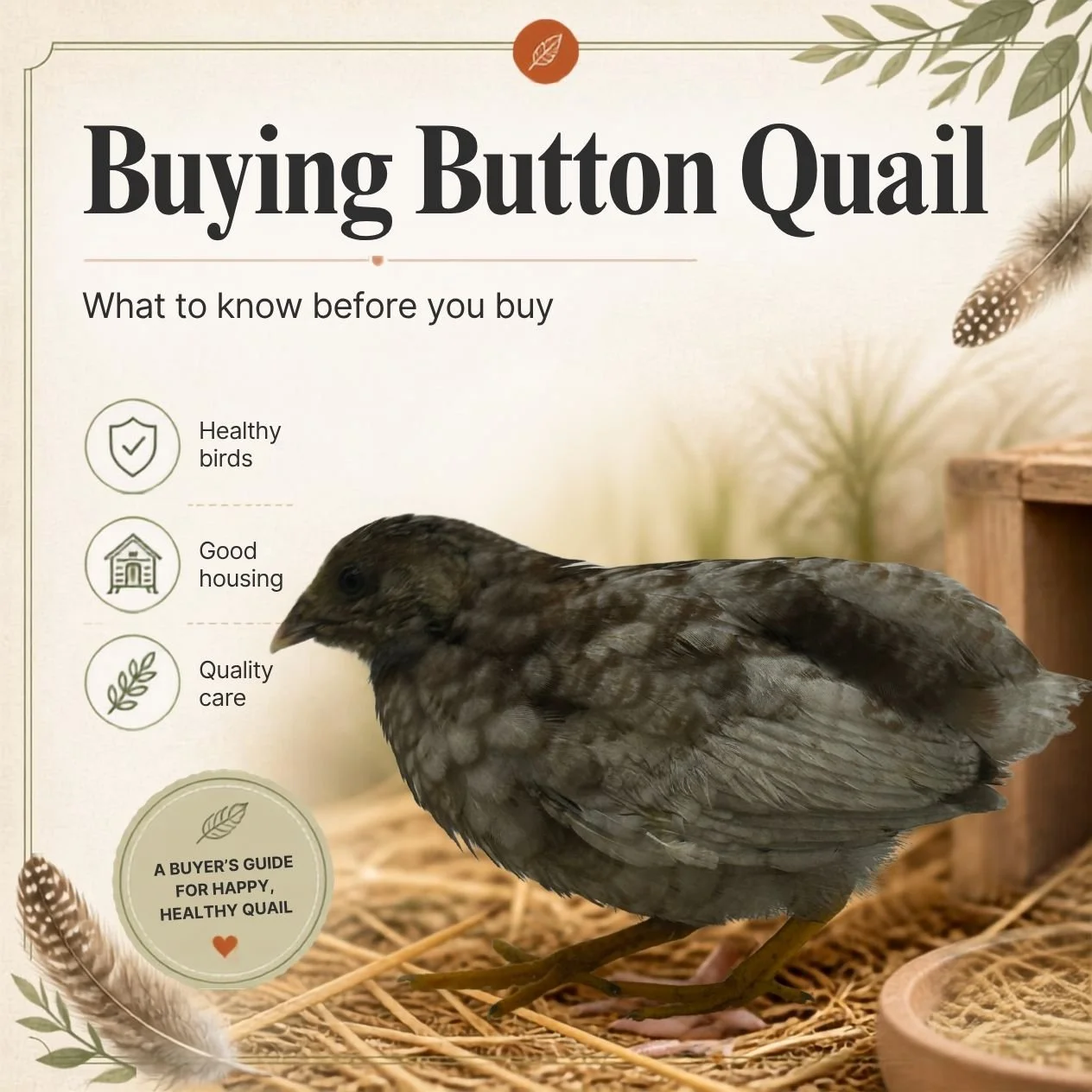
Ready to welcome button quail to your home or aviary? Browse our currently available live button quail below.
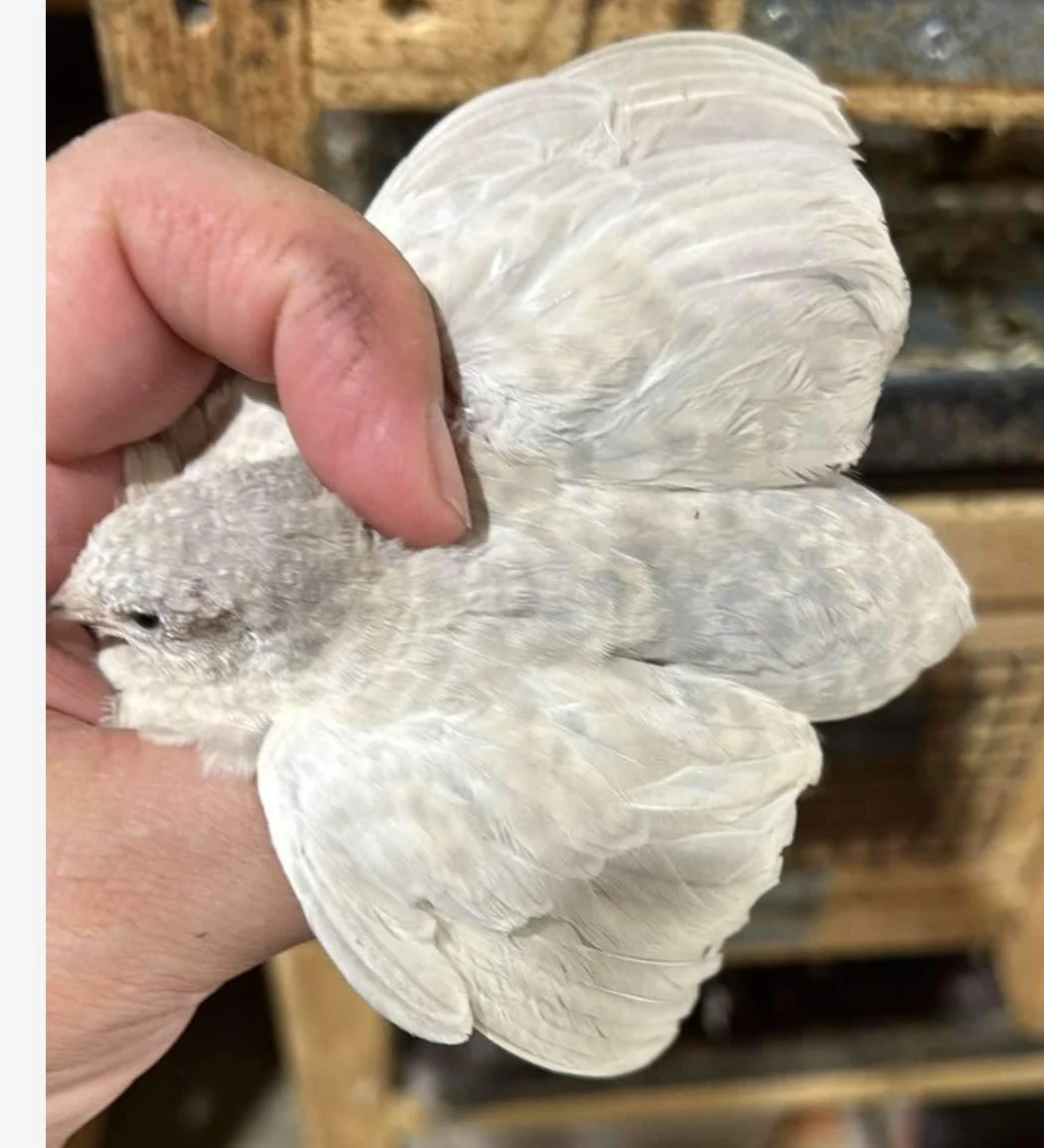
Live Mature Button Quail
Skip the incubator and brooder and start with birds that are ready to join your covey.
Our mature Button Quail are sexed and shipped at 6–8 weeks of age, depending on the variety. At this age, they are fully feathered, independent, and ready to settle into their new home. Color varieties will vary based on availability.
Shipping Information
Sexed Button Quail
Shipped at 6–8 weeks of age
Colors will vary
Minimum order of 4 birds
Each shipping box safely holds 5–10 birds. If ordering more than 10, please place separate orders.
Live birds are shipped via USPS Express Mail in certified live bird shipping boxes. Before shipping, birds are well hydrated and are provided with bedding, feed, and GroGel for the journey. I deliver shipments to the post office shortly before the Express Mail truck departs to minimize the amount of time birds spend in the shipping box.
While USPS does not guarantee overnight delivery, most of my shipments arrive within 24 hours. Shipping charges are calculated at checkout based on your location.
Bryant's Roost is NPIP certified, allowing us to legally ship live poultry across state lines where permitted.
Before You Order
After checkout, you'll receive an email with additional information about the shipping process and what to expect. Current shipping schedules can also be found on the Policies page, and shipping updates are sent via email on Tuesdays.
The health and welfare of my birds always comes first. I will never rush birds before they are ready or ship during unsafe weather conditions simply to meet a schedule. While this may occasionally delay shipping, it helps ensure your birds arrive healthy and ready to thrive.
Thank you for trusting Bryant's Roost with your new Button Quail.
Make sure to put your phone number at checkout, the USPS will call you when birds arrive.
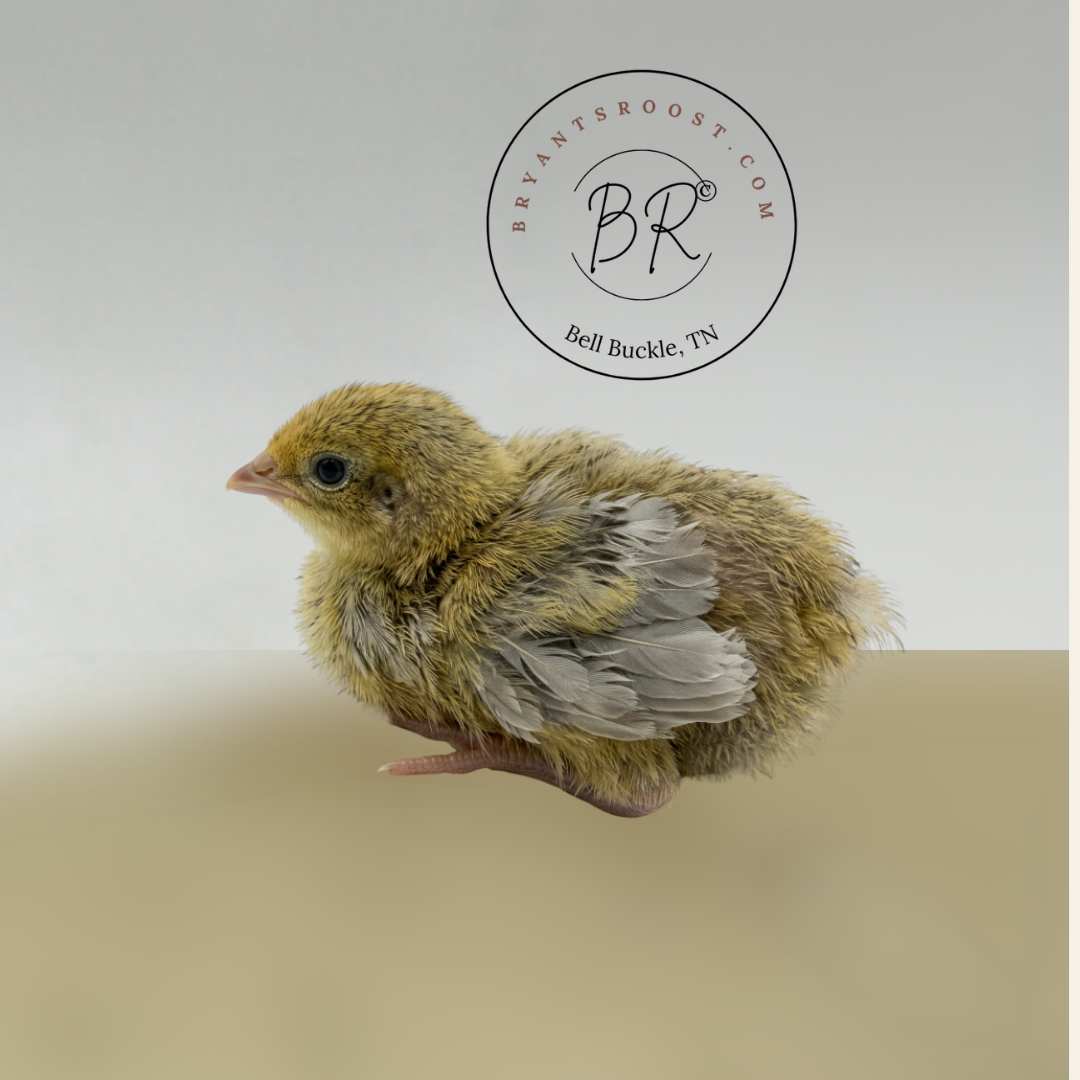
Live Button Quail Chicks – Ready to Join Your Flock
Don't have an incubator? Don't want to brood day-old chicks? Let us do the hard work for you!
Each order includes 5 live Button Quail chicks that have been carefully raised until they are 3–4 weeks old, fully feathered, off supplemental heat, and ready for their new home. Chicks are shipped unsexed.
Shipping Information
Price includes 5 chicks
Shipped via USPS Express Mail
Shipping days are Monday and Tuesday only to help avoid weekend delays
Shipping resumes after summer temperatures are safe for live poultry
Before You Order
After placing your order, you'll receive a confirmation email with important information about preparing for your chicks' arrival. Please read it carefully.
The health and welfare of our birds always comes first. We will only ship when chicks are physically ready and weather conditions are safe. If temperatures are too hot or too cold, your shipment may be delayed until conditions improve.
Live animal shipping always carries some risk, but we take every reasonable step to minimize that risk by raising healthy chicks, monitoring weather closely, and shipping only when conditions are appropriate. We appreciate your patience—it's part of responsibly breeding and shipping quality birds.
Make sure to put your phone number at checkout, USPS will hold the birds and call you for pick up.
Button Quail Accessories
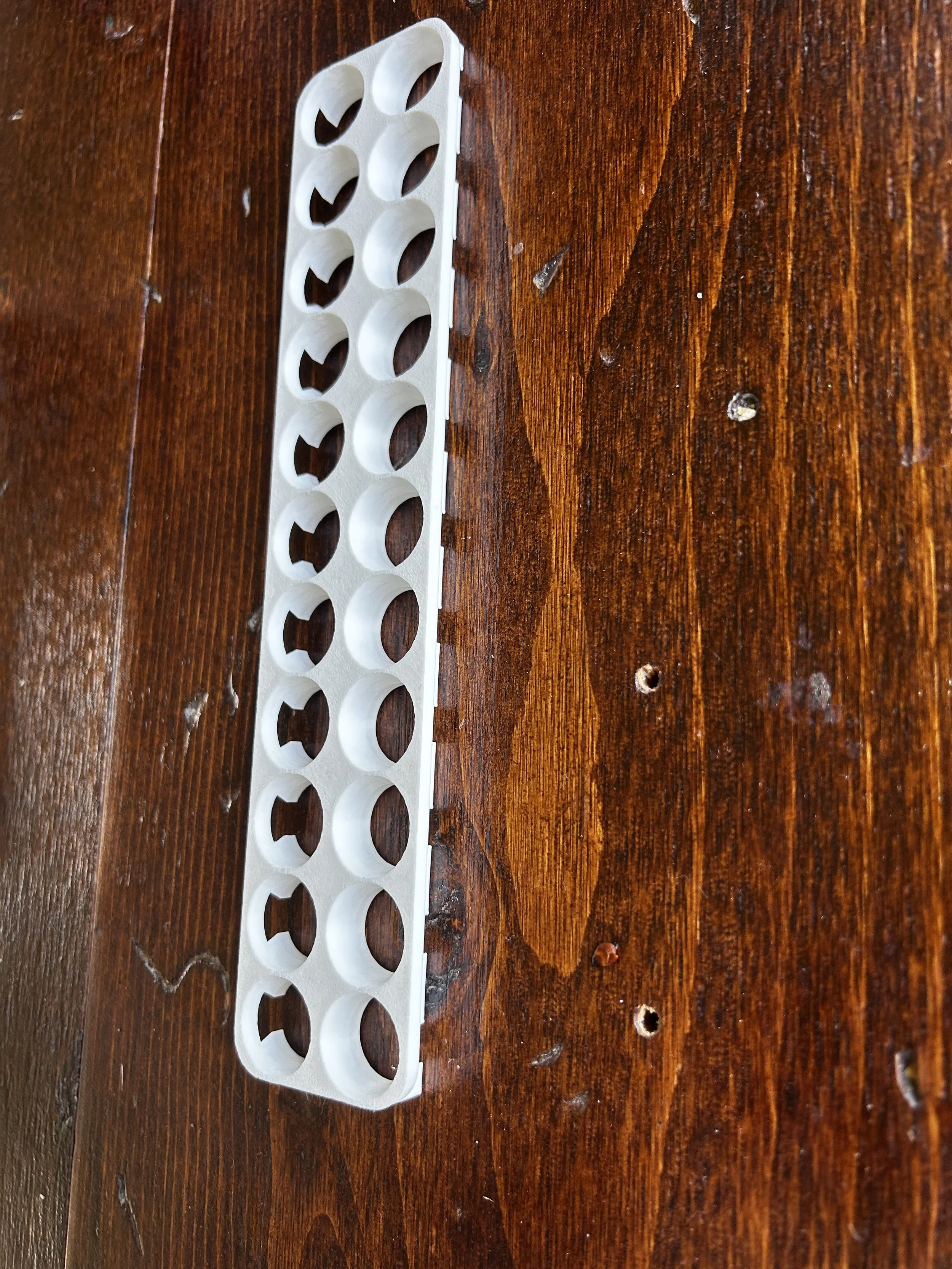
These button quail rails are perfect fit for the CT incubators from Hatching Time. They fit inside the cradles and allow the trey to turn normally. They hold the hatching eggs upright and stable.
Price includes shipping
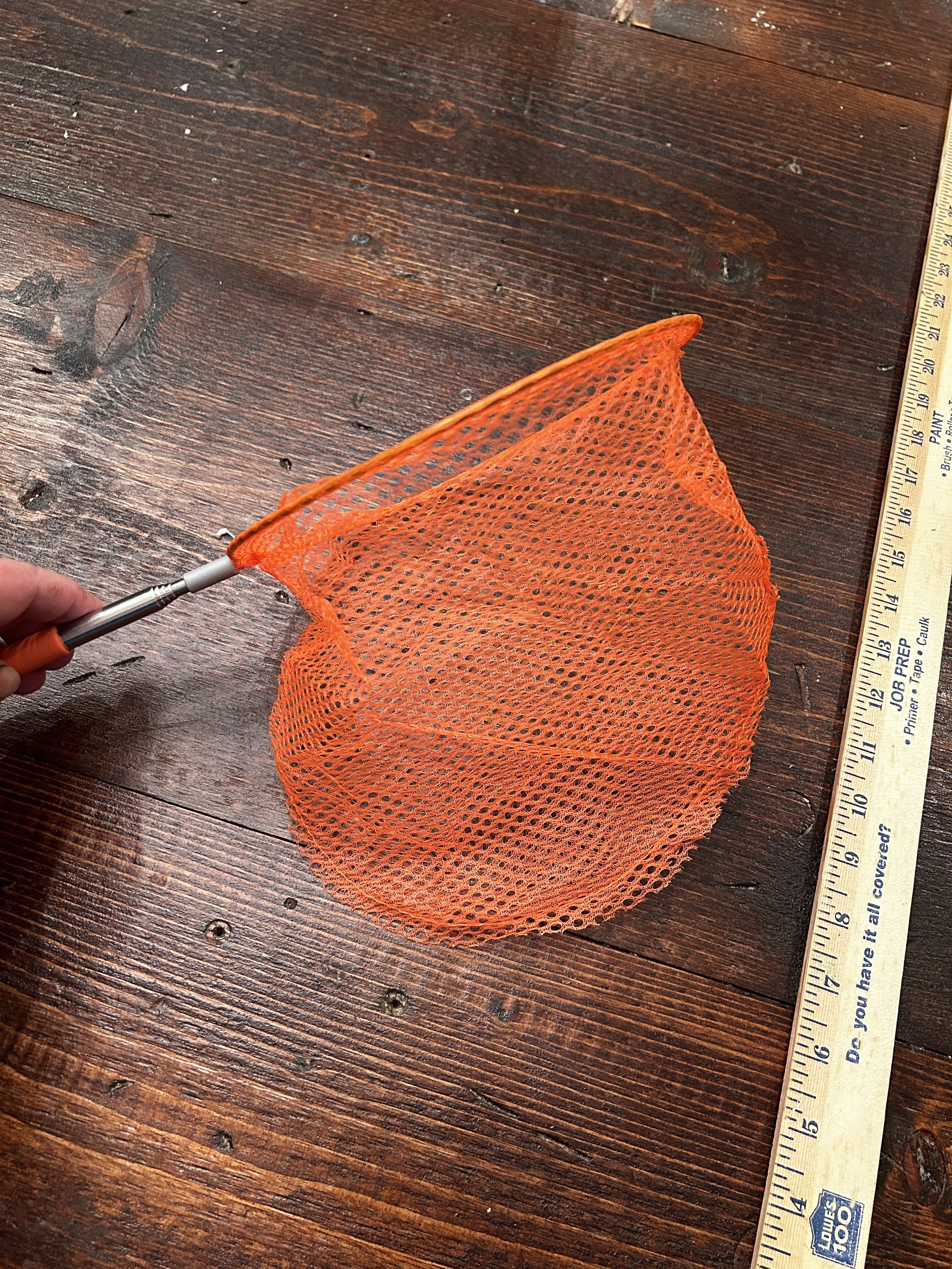
Have you let a bird loose and can’t quite catch it? An escapee down under the cage? A button on the curtains? You need a small net to catch ‘em!
I have one in every corner! These little things are a life saver. Retractable handle makes them easy to store. Aluminum handle that reaches almost 34 inches and good size net for little birds.
The can come in a variety of colors.
New to Button Quail? Explore the Helpful Guides Below
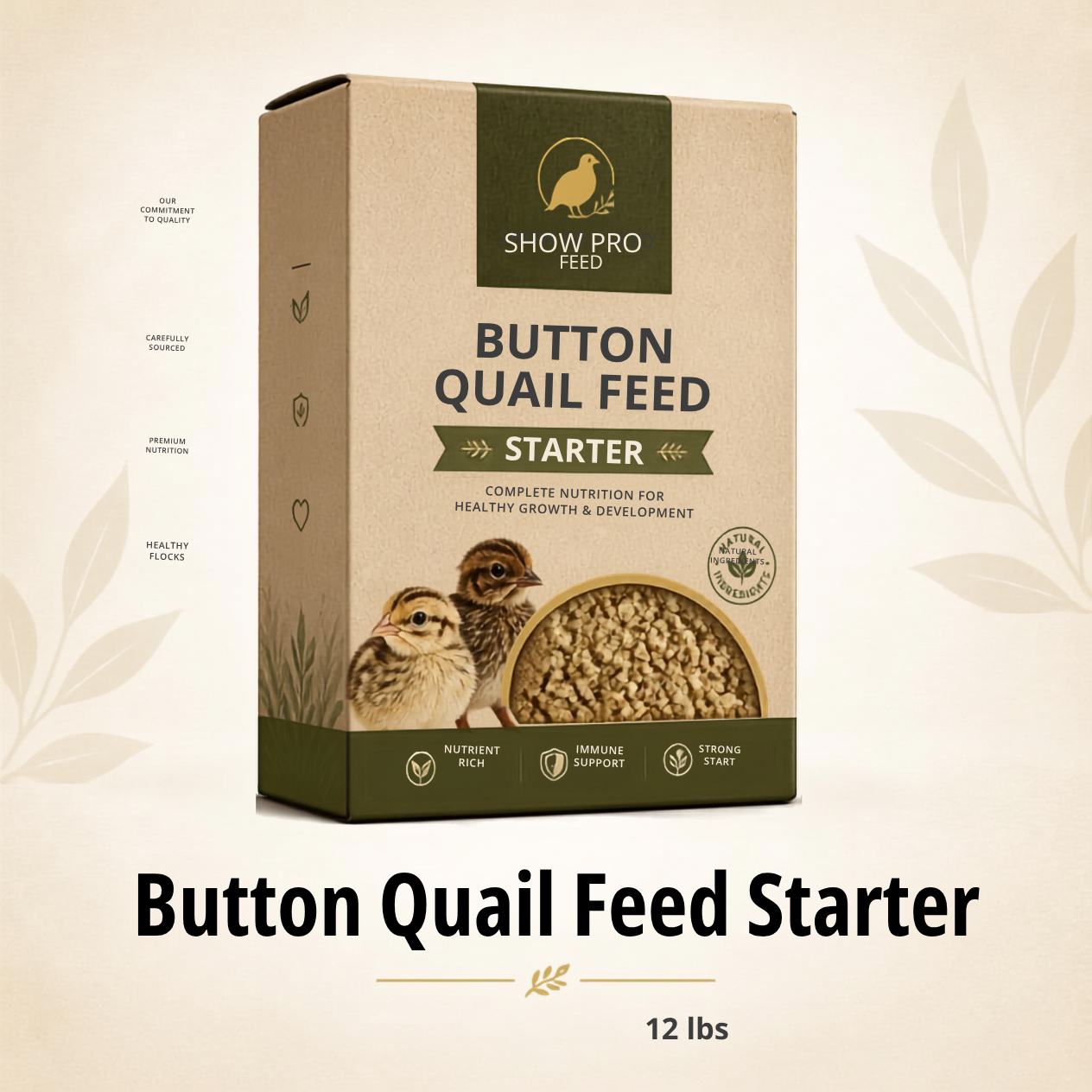
Button quail chicks grow quickly and have a naturally high metabolism. They need a starter feed with small particles and a nutrient profile designed for their size—not a standard crumble made for larger poultry.
Bryant’s Roost Custom Button Quail Starter was developed with Show Pro Farm Supply after I couldn’t find a commercial feed that met the needs of my button quail. I tested this blend with my own birds for eight months before offering it to other keepers.
Why button quail keepers choose it:
• Optimized amino acid profile to support early growth
• Balanced fatty acids, vitamins, and minerals
• Fine mash texture that is easy for tiny beaks to eat
• Formulated to support feather development, energy, and vigor
I feed this starter to all of my button quail from hatch until laying age. At laying age, I transition them to Bryant’s Roost Custom Layer Feed.
12-pound bag. Free shipping included.
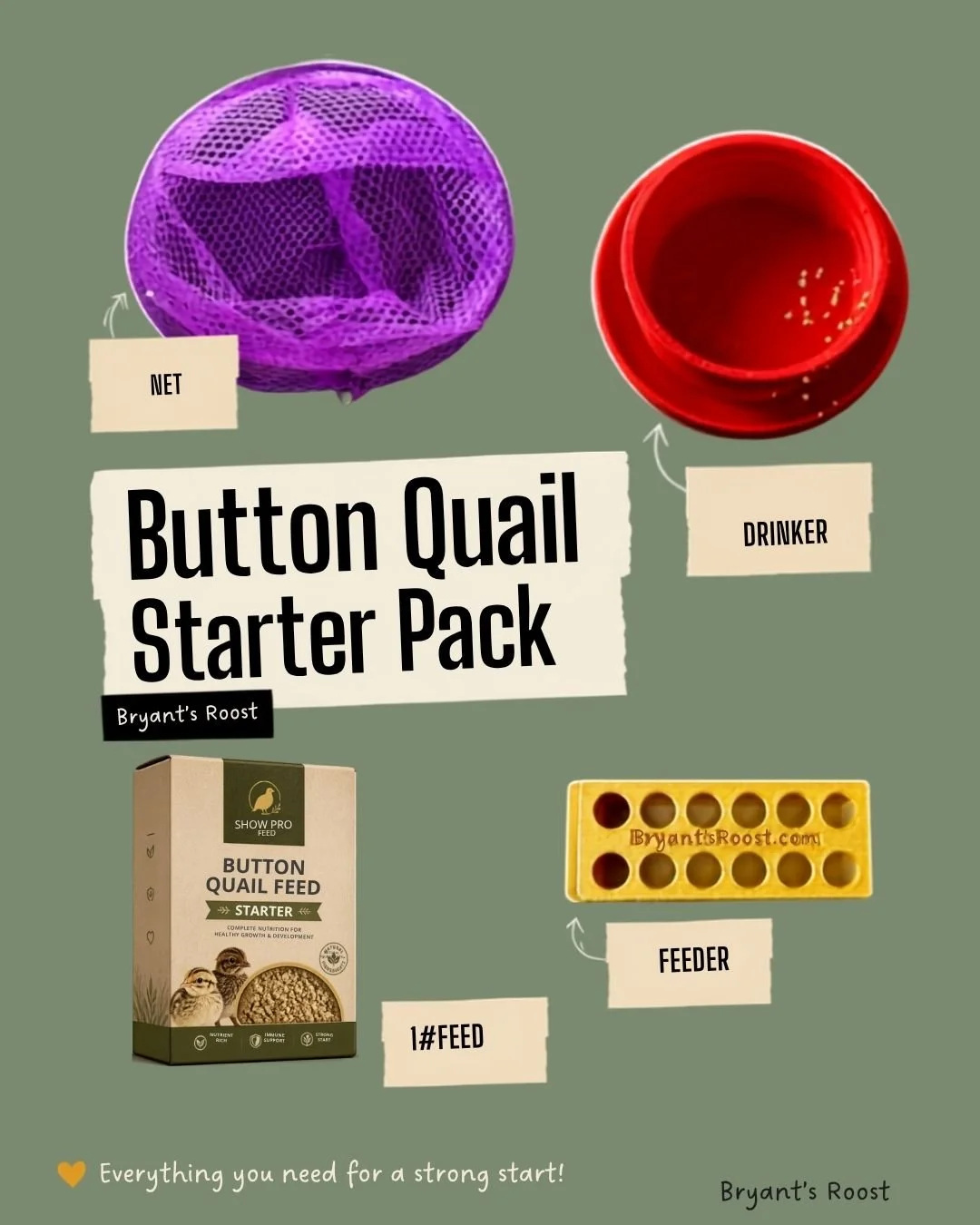
Quick Look
Perfect for customers purchasing live button quail chicks or breeders
Includes the everyday essentials for raising button quail
Equipment designed specifically for tiny button quail
Features the same Show Pro starter feed and supplies I use at Bryant's Roost
A great way to save compared to purchasing each item individually
Packaged in EggFoam® to help protect your hatching eggs during shipping.
FREE shipping included
The Essentials for Raising Button Quail
If you're bringing home live button quail chicks or breeding pairs, you don't need an incubation kit—you need the right supplies waiting when your birds arrive.
The Essentials Button Quail Starter Kit includes the equipment I recommend most for new button quail owners. Instead of trying to adapt supplies made for larger poultry, you'll start with products designed specifically for these tiny birds.
Whether you're purchasing chicks from Bryant's Roost or adding breeders to your aviary, this kit helps you get set up before your birds ever arrive.
What's Included
Button Quail Feeder
Our button quail feeder is sized specifically for newly hatched chicks and young button quail. The low-profile design allows easy access to feed while helping reduce waste.
Button Quail Waterer
Button quail are incredibly small, making many standard poultry waterers unsafe.
This waterer base is designed to help provide fresh water while reducing the risk of drowning. Simply attach it to a regular-mouth mason jar (not included), and you're ready to go.
Show Pro Button Quail Starter Feed
Healthy chicks begin with proper nutrition.
This is the same Show Pro Button Quail Starter Feed I use at Bryant's Roost because I've had excellent results with growth, feather quality, and overall bird health.
Catch Net
Button quail are fast, curious, and surprisingly good at finding opportunities to escape.
A lightweight catch net makes safely retrieving loose birds much easier while reducing stress on both you and your quail. Net colors vary and are selected at random.
Why I Created This Kit
Over the years I've learned that raising button quail is much easier when you begin with equipment made specifically for them.
This kit includes the supplies I reach for every day on my own farm. Instead of wondering which products will work, you can start with equipment that's already been proven by thousands of button quail raised here at Bryant's Roost.
If you're purchasing live chicks or breeders, this kit gives you everything you'll need before they arrive.
Kit Includes
✔ 1 Button Quail Feeder
✔ 1 Button Quail Waterer Base (regular-mouth mason jar not included)
✔ 1 Catch Net (random color)
✔ 1 Pound Show Pro Button Quail Starter Feed
✔ FREE Shipping
Perfect For
Customers purchasing live button quail chicks
Customers purchasing breeding pairs or adult birds
New button quail owners who already have birds
Anyone replacing worn or outdated equipment
From Bryant's Roost
Every product in this kit has earned its place on my farm through daily use. I created the Essentials Kit for customers who don't need hatching eggs but still want dependable equipment designed specifically for button quail. My goal is to help you spend less time searching for supplies and more time enjoying these incredible little birds.
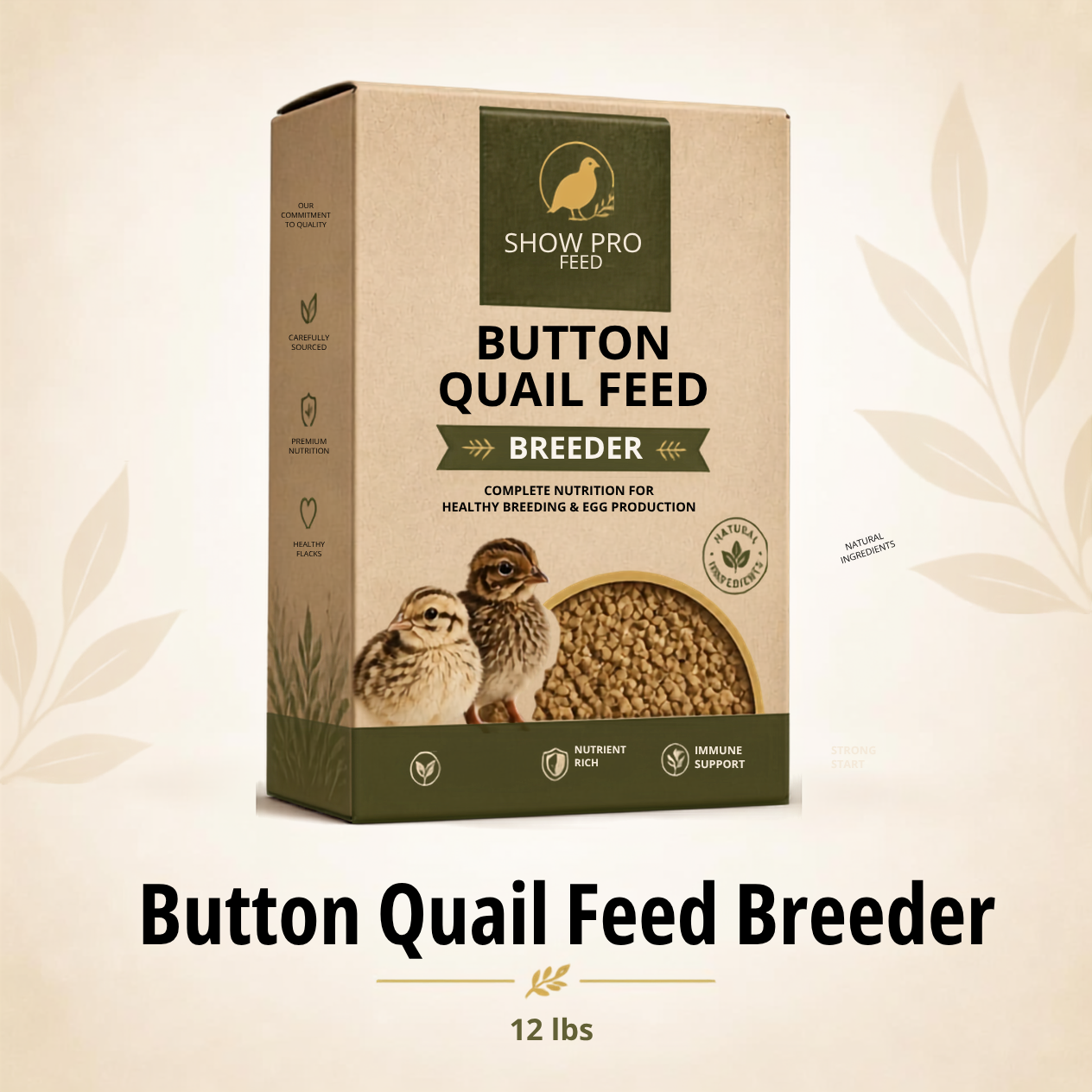
Adult button quail are active little birds with naturally high metabolisms. They need a complete layer feed with a texture and nutrient profile appropriate for their small size.
Bryant’s Roost Custom Button Quail Breeder Feed was developed with Show Pro Farm Supply after generic gamebird layer feeds failed to meet the needs of my breeding birds. During a side-by-side feeding trial, my button quail consistently chose this custom blend over their previous feed.
Why button quail keepers choose it:
• Complete non-GMO layer mash
• Fine texture that is easy for small beaks to eat
• Formulated to support adult condition, feather quality, and breeding birds
• Custom blend developed specifically for button quail
• Average consumption is approximately 5–6 ounces per bird each week
This feed is intended for adult button quail at laying and breeding age. Younger birds should remain on Bryant’s Roost Custom Button Quail Starter until they reach laying age.
12-pound bag. Free shipping included.
Choose a one-time purchase or subscribe for monthly delivery and save 5%.

Quick Look
Perfect size for button quail breeding cages
Removable grid top helps reduce feed waste
Can be used for either feed or water
Metal hooks fit ½-inch hardware cloth
Great for button quail, Coturnix chicks, and small chicken breeds
Button Quail Feed & Water Cage Cup
After trying countless feeders, I finally found one that's just about perfect for button quail.
These compact cage cups feature sturdy metal mounting hooks that hang securely on ½-inch hardware cloth, making them ideal for breeding cages and brooders. The removable grid top helps keep birds from scratching feed out onto the floor, reducing waste while keeping the feed cleaner.
The cups are solid, so they're equally useful as feeders or water cups, giving you flexibility depending on your setup.
I personally use two in every button quail breeding cage, and they hold enough feed to last about a week under normal conditions, making daily chores quicker and easier.
They're also an excellent choice for Coturnix quail chicks, Seramas, Kikiriki, Silkies, and other small poultry that benefit from a compact, easy-to-clean feeder.
What's Included
One cage cup
Removable anti-waste grid
Metal mounting hooks
Approximately 3.9 inches long × 2 inches tall
Who It's For
Perfect for button quail breeders, small poultry enthusiasts, brooder setups, and anyone looking for a cleaner way to provide feed or water.
Why Bryant's Roost?
I only carry products that earn a place in my own bird room. These cups have become my go-to choice because they're durable, reduce feed waste, and fit perfectly on the wire I use in my breeding cages.
URL
/buttons/p/button-quail-feed-water-cage-cup
SEO Title
Button Quail Feed & Water Cage Cup | Anti-Waste Feeder | Bryant's Roost
Meta Description
Feed or water your button quail with this durable cage cup featuring a removable anti-waste grid and metal hooks. Fits ½-inch hardware cloth. Great for quail and small chickens.

The inserts for the HB Series Incubators are compatible with the treys that come standard with the incubator. It is a 2 piece set, each one holding 70 eggs in an upright position for a total of 140 eggs. You could use the dividers to use only one at a time. These were designed by Bryant’s Roost to fit a need here on the farm.
Price includes shipping.

Quick Look
Designed by Jennifer Bryant for comfort and ease of use
Fits standard pint and quart mason jars (not included)
Waterer shaped with a bird's natural beak in mind
Feeder features a center cone for improved feed flow
Made in the USA
FREE Shipping
Mason Jar Feeder & Waterer Set
After years of raising poultry, I couldn't find a feeder and waterer that worked exactly the way I wanted, so I designed my own.
The Bryant's Roost Mason Jar Feeder & Waterer Set was created with the bird's safety, comfort, and natural feeding behavior in mind. The waterer features an angled drinking area designed around the shape of a bird's beak, making it easy for chicks and adult birds to drink comfortably. The feeder includes a center cone that encourages feed to flow smoothly toward the feeding ports, helping reduce bridging and wasted feed.
Both bases fit standard pint and quart regular-mouth mason jars (jars not included), making them inexpensive and easy to refill.
This set is ideal for Coturnix quail, button quail, chickens, Kikiriki, Seramas, Silkies, poults, and other small poultry. Whether you're raising baby chicks or maintaining a breeding flock, these feeders are designed to make daily care easier while helping keep feed and water cleaner.
Proudly Made in the USA.
What's Included
Mason jar feeder base
Mason jar waterer base
Fits pint and quart regular-mouth mason jars
Jars not included
FREE Shipping
Who It's For
Perfect for backyard chicken keepers, quail breeders, homesteaders, educators, and anyone looking for a cleaner, more efficient feeding and watering system.
Why Bryant's Roost?
These aren't generic imported poultry supplies. They were designed from years of hands-on experience raising quail and chickens, with practical features that make caring for your birds easier every day.

Button Quail Frequently Asked Questions
-
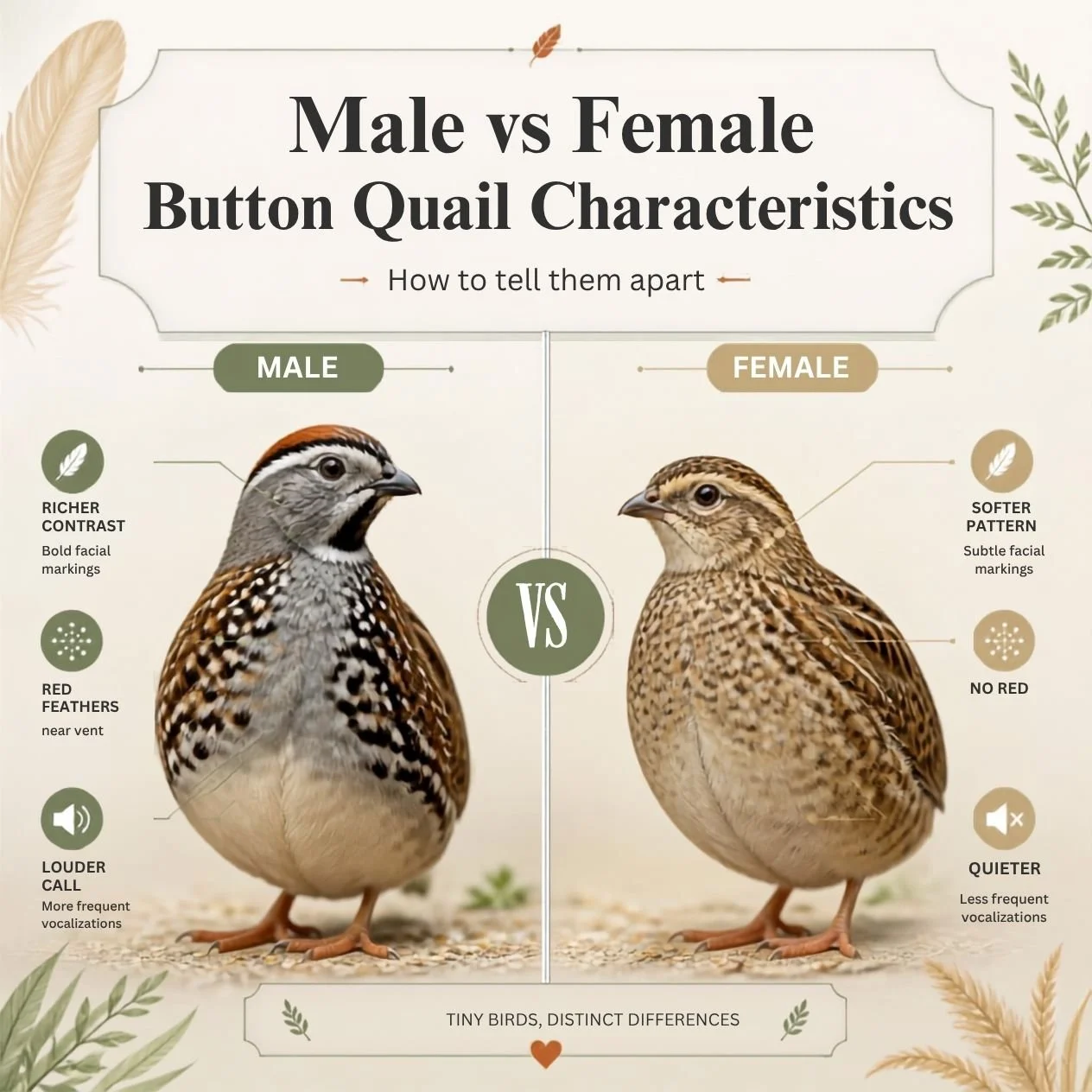
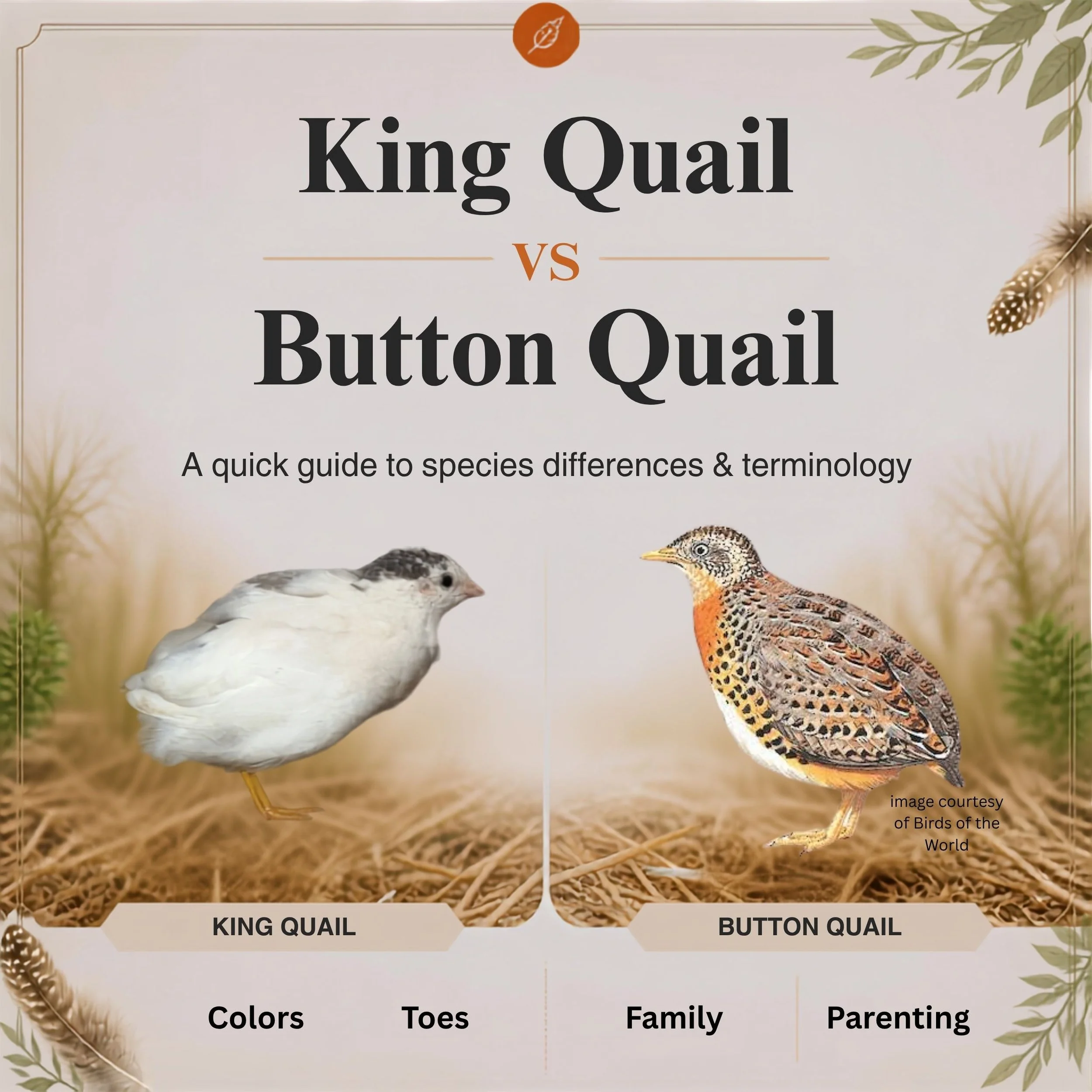
Button quail, also known as Chinese painted quail or King quail (Coturnix chinensis), are one of the smallest species of quail in the world. Native to Asia and Australia, these tiny birds reach only about 4 to 5 inches in length and weigh around 1.5 to 2 ounces. Despite their size, they are active and hardy, making them popular in aviaries where they stay close to the ground and help clean up fallen seed. Button quail are also kept as pets and for exhibition, with breeders selecting for various feather colors and patterns. They begin laying eggs as early as 6 to 8 weeks old and produce small, speckled eggs frequently.
-
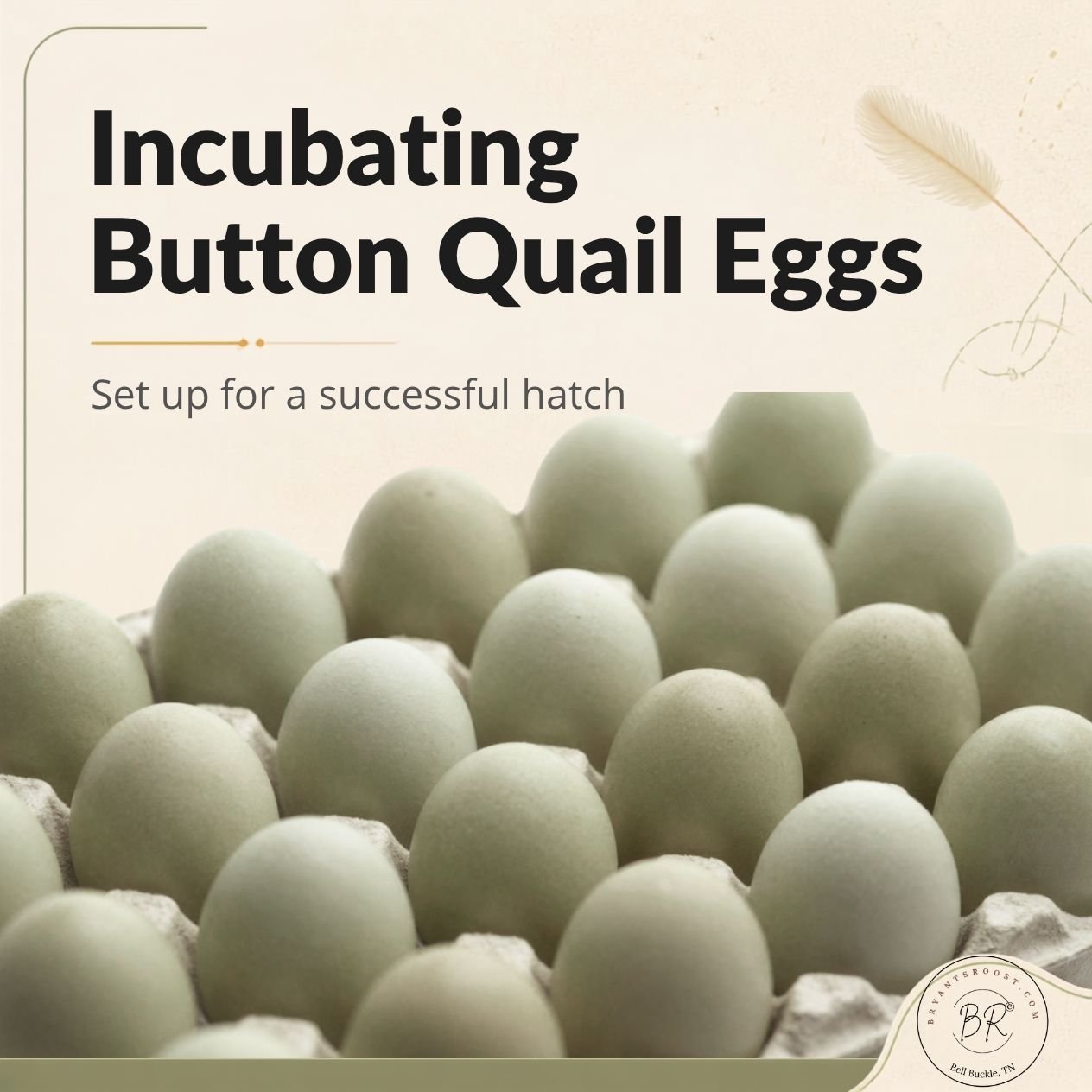
Button eggs are small, about the size of a penny. Incubating is at 99.5F and 45% humidity. On day 14, remove the turner and increase the humidity to 65%. They will hatch on day 17. Leave them until dry and fluffy and all hatched before opening the incubator.
If you are new to incubating, do not mess with humidity, simply remove turner and leave them be.
-
Brooding button quail can be challenging due to their size and metabolism. The following are my suggestions to be successful.
Use a puppy pad inside a tote approximately 18”x24”.
Use a brooder plate, set one side almost all the way to the floor. The other side, set about 1.5” tall.
Scatter food liberally all over puppy pad.
Use an appropriate waterer with warmish water.
Leave a light on 24 hours for at least the first week.
-
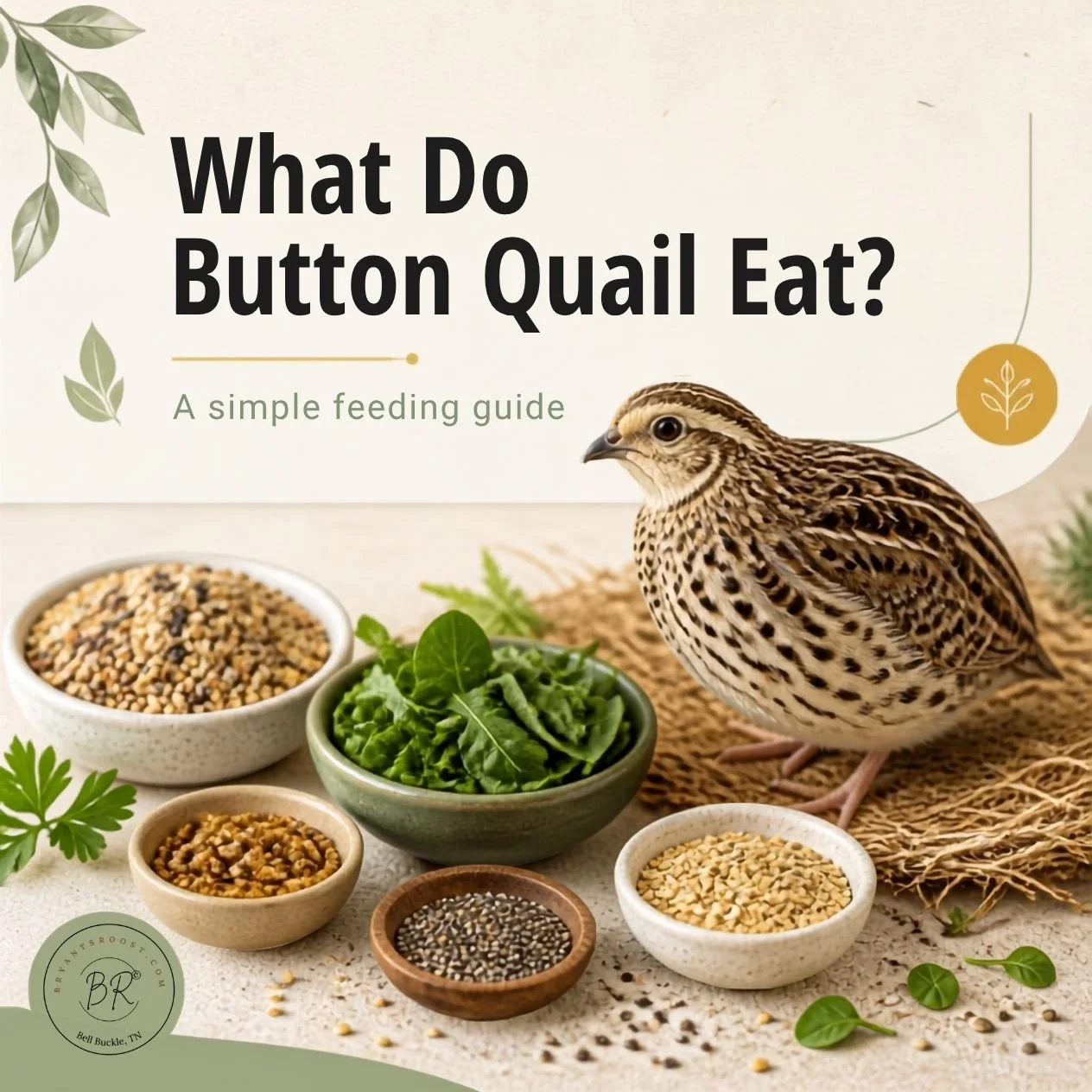
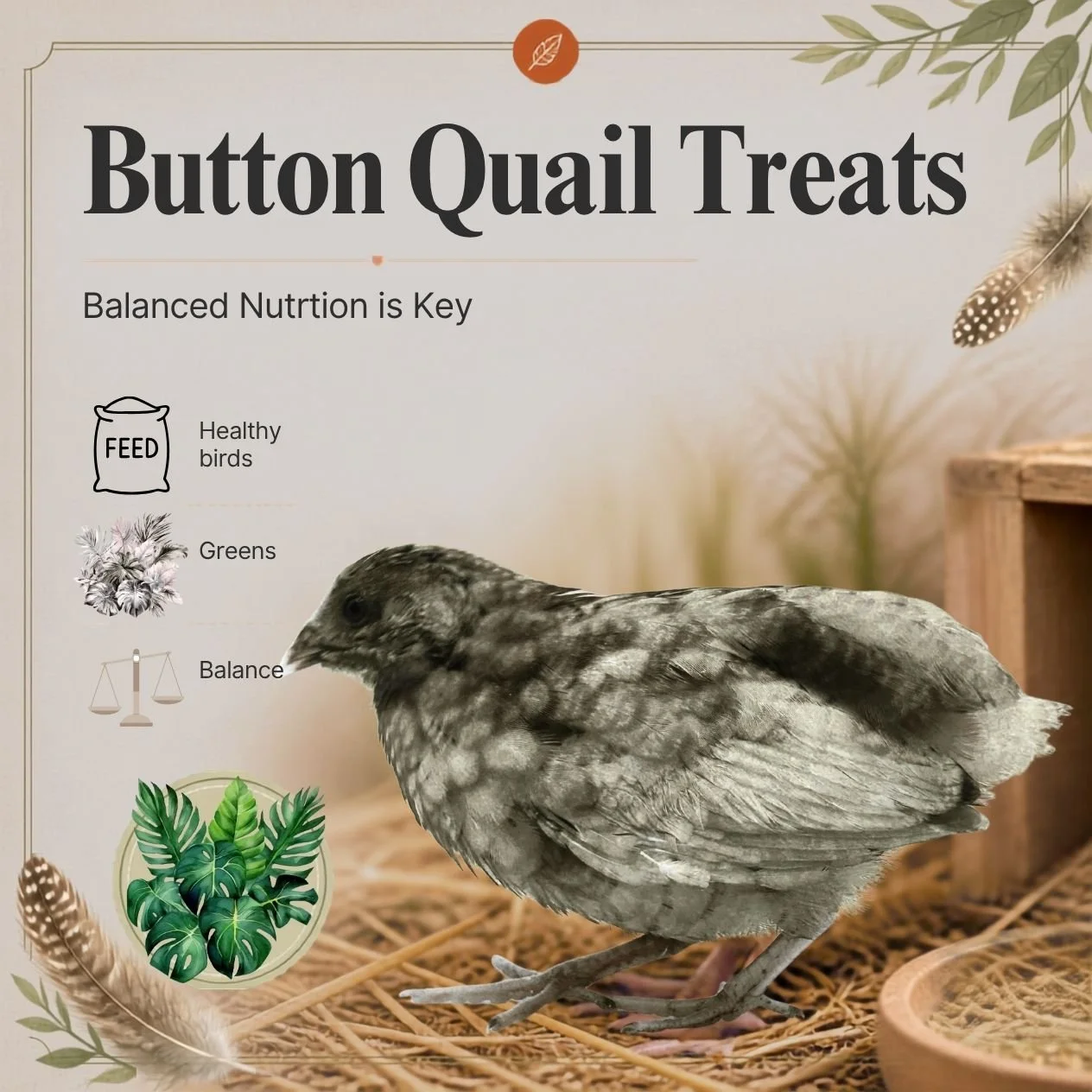
Due to their delicate size, button quail require a fine crumble feed with high protein content—typically 24% to 28%—especially during the early stages of life. They benefit from a diet that includes game bird starter feed, small insects, and fresh green.
-
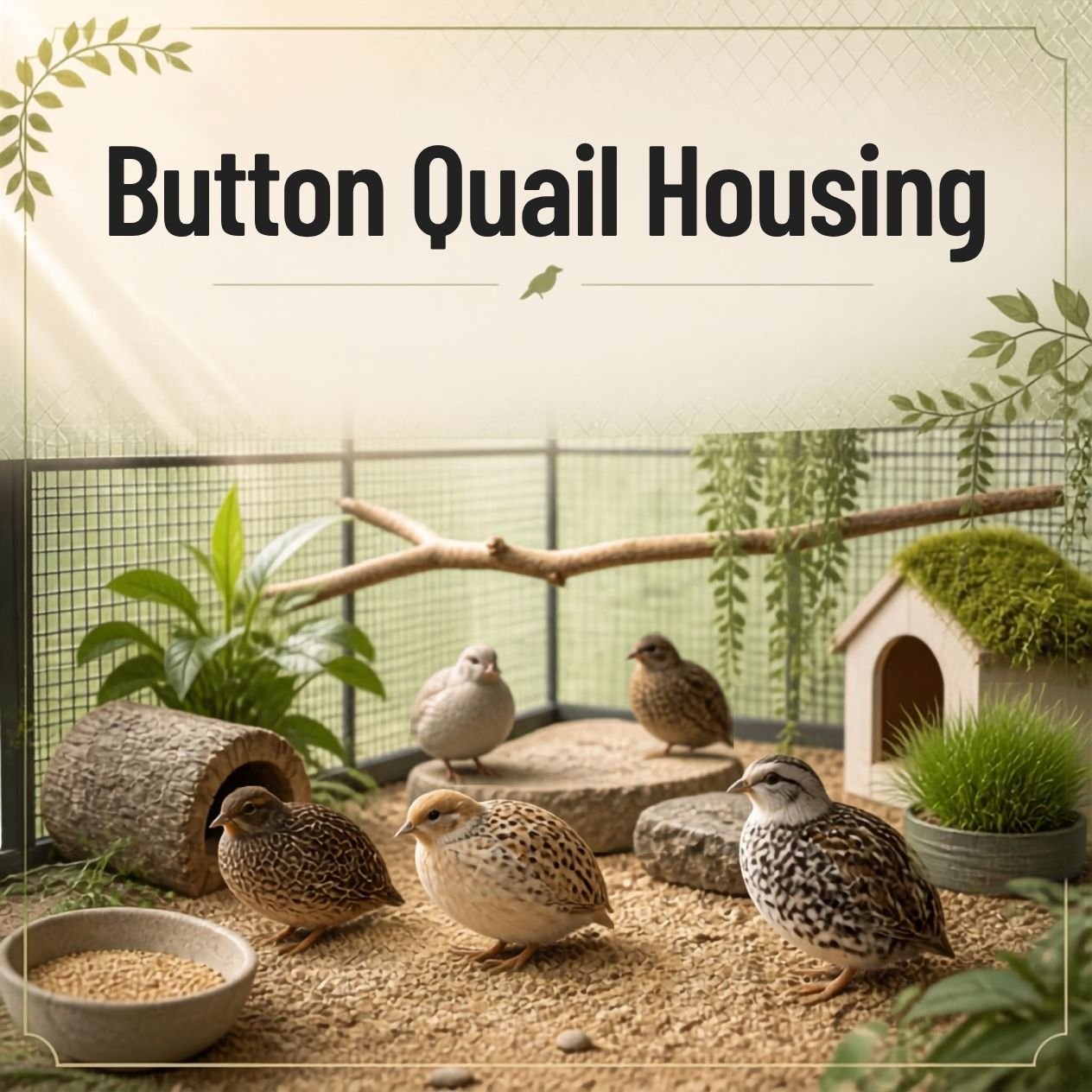
Buttons are ground dwellers, they will not roost. They like places to hide and will use a nest box. I use a coffee can with a hole cut int he side for a nest box, put the lid back on and have fine shavings in it. I also give a dust bath with peat moss.
-
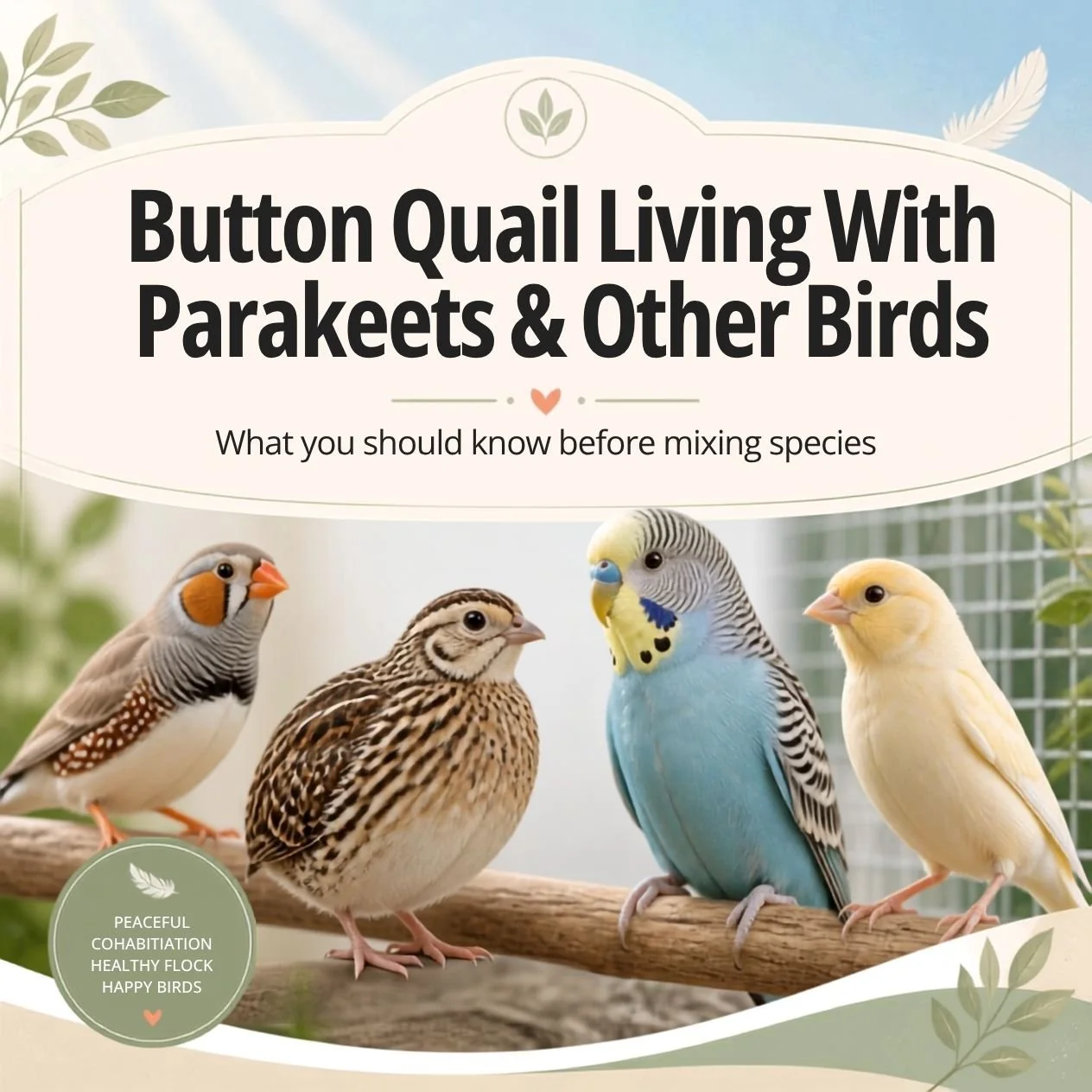
I keep most in breeding pairs. I have one trio but they were raised together. I also have 2 colonies and all were raised together. Ratios have to be kept to prevent picking and fighting. There is no hard and fast rules to ratios so I recommend if they are fighting or picking, to pull aggressive males one at a time until harmony is reached.
-
The males make a wonderful cooing noise and I can whistle and they will answer me. The girls may chatter a bit but generally quiet. They do fly, high and far. I recommend a bird net handy to catch them as they will escape. They will let their feathers go if stressed, so do not be alarmed if you end up with a hand full of feathers.
-
The Ultimate Kit is the easiest option for someone starting from scratch because it includes the hatching, feeding, watering, and brooding essentials. If you already own some equipment, use the comparison chart above to choose a smaller kit.
-
Yes. The eggs are fertile button quail hatching eggs collected from Bryant’s Roost breeding birds. Because incubation conditions and shipping are outside our control, hatch results can vary.
-
The drinker includes the waterer base. A regular-mouth mason jar is required and is not included.
-
Shipping is included with the starter kits shown on this page. Review the individual product listing for current shipping details and availability.
-
Use the button quail care guides on this page for information about incubation, brooding, feeding, housing, pairings, and behavior.
For more information, schedule a consult for one on one help.
Why Buy from Bryant's Roost?
Animal Science degree
Years of raising and breeding button quail
Carefully selected breeding stock
Eggs packaged in EggFoam® for added protection during shipping
Educational support before and after your purchase
Nationwide shipping
Hundreds of happy customers
I don't just sell button quail—I raise them every day. Every product in this store has earned its place on my farm before it earned a place in yours.
Bryant’s Roost is operated by Jennifer Bryant, an Animal Science graduate with years of hands-on experience raising and breeding button quail.


